4,000+ Free Milkweed Plants — Help Save the Monarch Butterfly
The Hudson Valley Pollinator Project is the only program in the country giving away thousands of free native milkweed plants — so residents across the Hudson Valley, New York City, and northern New Jersey can transform turf grass lawns into living food sources for monarchs, bees, and our declining pollinators.
Why Milkweed Matters
Milkweed (Asclepias) is the only plant on which monarch butterflies will lay their eggs — and the only food monarch caterpillars can eat. As milkweed has disappeared from American landscapes, monarch populations have collapsed by more than 80% over the last two decades.
By distributing over 4,000 native milkweed plants for free across Orange County, New York, we are rebuilding the monarch's migratory corridor right here in the Hudson Valley — one yard, one schoolyard, one farm at a time.
No other pollinator project in the country is giving away free milkweed at this scale. This is what makes the Hudson Valley Pollinator Project unique — and what makes your participation so powerful.
Educating the Entire Region — From Manhattan to New Jersey
Many of the visitors who join us at Warwick Valley Winery are driving up from Manhattan, Brooklyn, Westchester, and northern New Jersey for a day in the Hudson Valley. We use that moment to teach pollinator conservation that travels home with them — back to balconies in NYC, suburban yards in Bergen and Rockland counties, and farms across the tri-state region.
Wherever you live in the Northeast migratory corridor, our milkweed, our planting guides, and our turf-to-habitat education are for you.
America's Largest Irrigated "Crop" Is a Lawn
Turf grass is the single largest irrigated crop in the United States — and it feeds almost nothing. Converting even a fraction of it back into native pollinator habitat would be one of the most powerful environmental actions of our generation.
Sources: NASA Earth Observatory turf-grass mapping; EPA estimates of residential pesticide and water use; U.S. Fish & Wildlife Service pollinator reports.
If We Stopped Spraying Lawns, We Could Save the Bees
Homeowners apply pesticides to turf grass at up to ten times the rate farmers apply them to food crops. Neonicotinoids, glyphosate, and synthetic fertilizers wash into the Hudson, the Wallkill, and every stream feeding the Atlantic — and they kill the bees, butterflies, fireflies, and beneficial insects we need most.
A native pollinator garden needs zero pesticides, zero fertilizer, and almost no water once established. Every lawn we convert eliminates a chemical footprint forever.
What converting one lawn eliminates each year
- ≈ 5–10 lbs of synthetic pesticides and herbicides
- ≈ 20,000+ gallons of irrigated drinking water
- ≈ 40 hours of gas-mower emissions (1 hr mowing ≈ 100 mi driving)
- Runoff of nitrogen and phosphorus into local waterways
Transform Your Lawn Into a Living Habitat
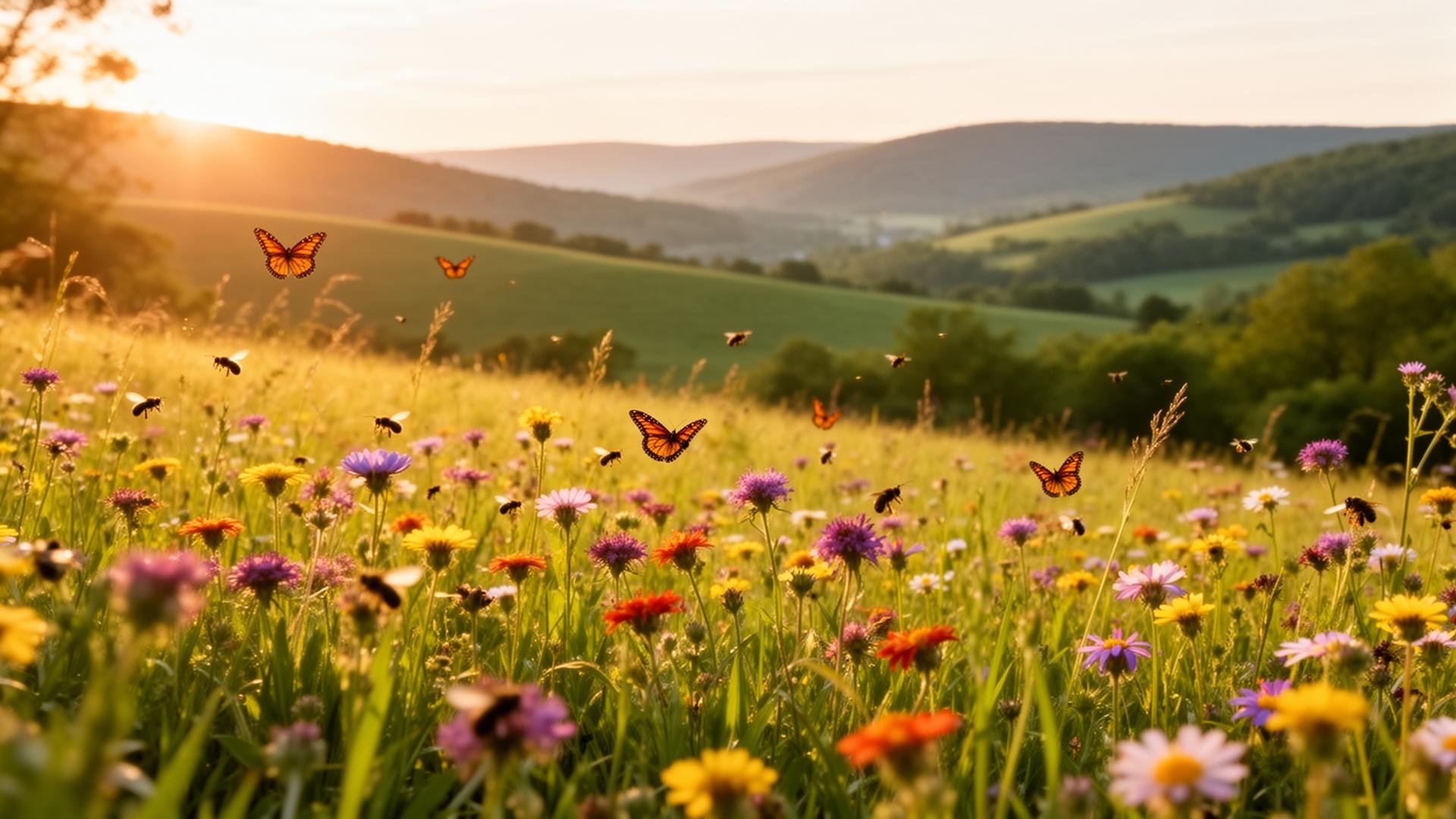
Lawns cover more than 40 million acres of the United States — most of it ecological dead zone. We teach Orange County homeowners, schools, and businesses how to convert turf grass into beautiful, low-maintenance pollinator habitat that feeds bees, butterflies, hummingbirds, and beneficial insects.
- Free milkweed plants and native wildflower seeds
- Step-by-step lawn-removal and planting guides
- Local workshops on turf grass conversion
- Personalized site advice for any yard size
Milkweed FAQ — Everything You Need for Year One
New to milkweed? Here's what to expect and exactly how to give your free plants the best start.
How do I plant my free milkweed, step by step?
- Pick a sunny spot — milkweed wants 6+ hours of direct sun.
- Loosen the soil 8–10 inches deep and remove turf grass and weeds.
- Dig a hole twice as wide as the pot and just as deep.
- Gently slide the plant out, loosen the root ball, and place it level with the soil surface.
- Backfill, press firmly, and water deeply right away.
- Mulch lightly (1–2 inches) — keep mulch off the stem.
How far apart should I space milkweed plants?
Space plants 18–24 inches apart. Common Milkweed spreads by underground rhizomes and will form a colony, so give it room. Butterfly Weed and Swamp Milkweed stay clumped — 18 inches is fine. Plant in groups of 3–6 to make it easier for monarchs to find.
How often do I water?
Water deeply 2–3 times per week for the first 4–6 weeks while roots establish. After that, milkweed is drought-tolerant and rarely needs supplemental water in the Hudson Valley. Never fertilize — milkweed thrives in average to poor soil.
What should I expect in the first year?
Year one is roots, not flowers. Milkweed puts almost all its energy underground, so plants stay short and may not bloom. That is normal and a good sign. Year two brings taller stems and the first real flowers; by year three you'll have a thriving patch. Sleep, creep, leap.
Will monarchs really find my plants?
Yes — but be patient. First-year plants are small, so monarch visits may be light. By year two, expect eggs, caterpillars, and chrysalises. Aphids, milkweed bugs, and tussock moths are normal companions — do not spray anything. A healthy milkweed patch looks chewed; that means it's working.
Should I cut it down in the fall?
No. Leave the stems standing through winter — native bees nest in hollow stems, and seed pods feed birds. Cut back to 6 inches in late spring after temperatures stay above 50°F.
Which milkweed species are you giving away?
All Hudson Valley natives: Common Milkweed (Asclepias syriaca), Swamp Milkweed (A. incarnata) for wetter spots, and Butterfly Weed (A. tuberosa) for dry, sunny areas. We never give away tropical milkweed — it disrupts monarch migration.
How to Claim Your Free Milkweed
1. Live in Orange County, NY
Free milkweed is available to Orange County, New York residents and community organizations.
2. Reserve Your Plants
Reach out via our contact form and tell us how many plants you can host and where you'll plant them.
3. Pick Up & Plant
Collect your milkweed at one of our giveaway events at Warwick Valley Winery and partner sites.
Every Plant Brings the Monarchs Home
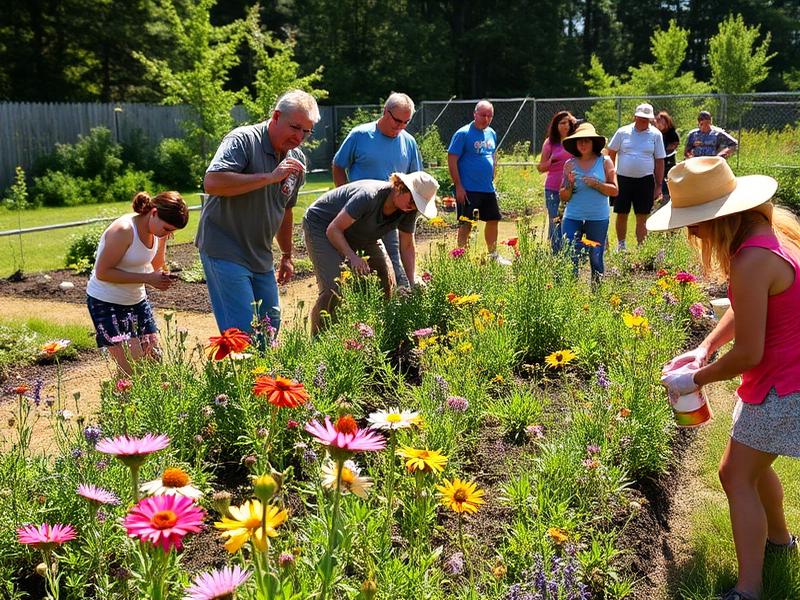
A single backyard milkweed patch can support dozens of monarch caterpillars each summer. Multiply that across Orange County, and the Hudson Valley becomes one of the most important monarch refuges in the Northeast.