Common Milkweed: The Monarch's Lifeline
Asclepias syriaca

Common Milkweed is the most widespread native milkweed in the Northeast and the host plant monarch butterflies depend on for their entire life cycle. Female monarchs will lay eggs on no other plant.
It spreads gently by underground rhizomes, forming colonies over 2–3 years. Plant it where you want a small patch — along a fence line, at the edge of a meadow, or in the back of a perennial border.
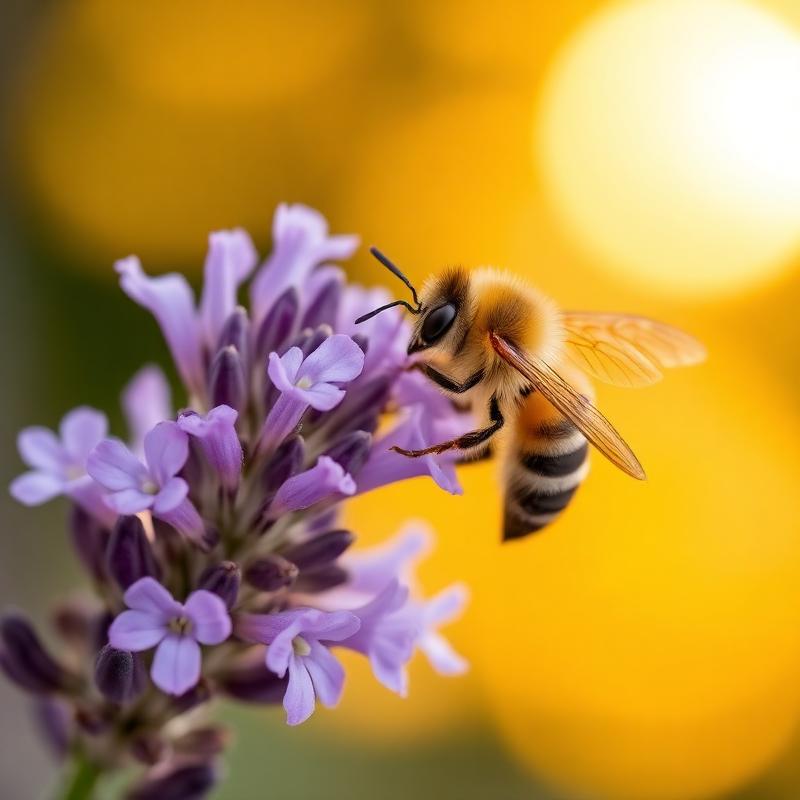
The dome-shaped pink flower clusters are powerfully fragrant and feed dozens of native bee species in addition to monarchs. Expect chewed leaves by midsummer — that means caterpillars are working.
Want this plant in your yard?
If it's milkweed, we'll give it to you free. Otherwise, we'll point you to local sources of true native plants — no nursery cultivars, no neonicotinoids.
Get in touch